
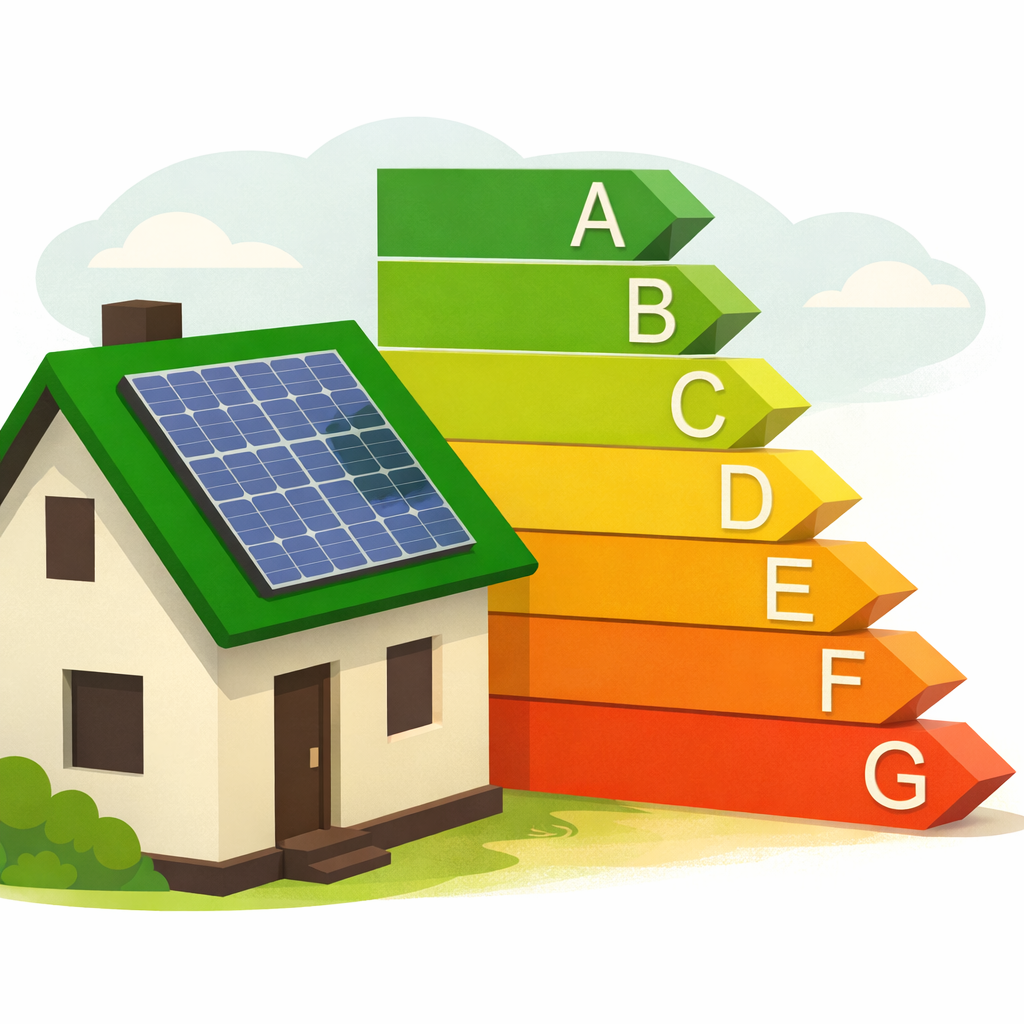
If you’re a private landlord, you’ve probably heard that Minimum Energy Efficiency Standards (MEES) are changing. The government has now confirmed the direction of travel for the Private Rented Sector (PRS) as part of reforms to the Decent Homes Standard, and the changes are significant.
At Greener Homes in Lancashire, we can support homeowners and private landlords across the county to understand energy efficiency requirements, improvement options, and what changing regulations mean in practice. This blog breaks down what’s changing, when it applies, and what landlords should be doing now.
What is MEES?
MEES sets the minimum energy efficiency a rental property must meet before it can be legally let. Since 2020, most privately rented homes have needed an EPC rating of E or above, unless a valid exemption is in place.
The government has now confirmed plans to raise this minimum standard to EPC C, with a clear compliance date and updated rules.
The New MEES Standard for the Private Rented Sector
Under the reformed Decent Homes Standard, private landlords must ensure:
- All new and existing domestic private rented properties reach EPC C or equivalent by 1 October 2030
- Or, where this is not possible, a valid exemption must be registered
This applies across the PRS, not just to new tenancies.
How EPC C Will Be Measured
The government is reforming EPCs, and future compliance will be based on a dual‑metric approach, rather than today’s single score.
Landlords will need to:
- Improve fabric performance first (such as insulation and glazing), and then choose one of the following routes:
- Smart readiness (for example, heating controls or energy monitoring), or
- A heating metric (such as installing low‑carbon or efficient heating systems)
The choice between smart readiness or heating improvements is at the landlord’s discretion, offering some flexibility depending on the property type.
The £10,000 Cost Cap Explained
To meet the new MEES requirements, landlords will be expected to invest up to £10,000 per property.
- The £10,000 is a cost cap, not a fixed spend
- It includes third‑party funding where available
- The Boiler Upgrade Scheme is excluded from this cap
This is designed to balance improved standards with affordability for landlords.
What If the Property Still Can’t Reach EPC C?
If a landlord has spent up to the £10,000 cost cap and the property still falls short of EPC C, they can:
- Register a 10‑year exemption on the PRS MEES Exemptions Register
- Continue letting the property until the exemption expires
Importantly, this exemption:
- Covers all qualifying improvement costs incurred from now until October 2030
- Does not remove the obligation permanently
Once the exemption expires, landlords must re‑assess and attempt further improvements if feasible.
Other Exemptions Still Apply
Existing exemptions remain in place for situations where:
- Improvements are not technically feasible
- Works would damage the building (for example, in certain heritage properties)
- Required permissions cannot be obtained
These exemptions allow continued letting only until they expire. At that point, landlords must again try to bring the property up to standard.
What If My Property Is Already EPC C?
Good news for landlords who have already invested.
- Homes with a valid EPC rating of C or above issued before 1 October 2029 will be treated as compliant
- They remain compliant until that EPC expires (EPCs are valid for 10 years)
In practice, this means some landlords may not need to meet the new reformed EPC standard until as late as 2039.
What Should Landlords Be Doing Now?
Although the 2030 deadline may feel far away, early action is strongly recommended:
- Identify properties currently below EPC C
- Focus on fabric‑first improvements such as loft, wall, or floor insulation
- Consider future heating upgrades as part of a longer‑term plan
- Keep clear records of costs and improvements
- Seek independent, impartial advice before investing
Making gradual improvements can reduce costs, minimise disruption for tenants, and avoid last‑minute compliance pressure.
How Greener Homes in Lancashire Can Help
Greener Homes in Lancashire provides free, impartial advice to residents and landlords across Lancashire. We can help you:
- Understand EPCs and upcoming MEES changes
- Explore suitable improvement options for your property type
- Signpost available grants and funding
- Plan a practical route towards EPC C compliance
If you’re a private landlord and unsure what these changes mean for your properties, get in touch. Clear advice now can save time, money, and stress later. You can call us directly on 0800 058 4066.