
If your home feels chilly in winter or your energy bills keep creeping up, your loft might be the culprit. In an uninsulated home, around 25% of the heat escapes through the roof – wasted warmth that you’re paying for.
Insulating your loft is one of the most affordable and effective steps you can take to make your home warmer, lower your bills, and reduce your carbon footprint.
This guide will walk you through what loft insulation is, how it works, whether you can do it yourself, and what help is available in Lancashire to cover the cost.
What Is Loft Insulation?
Loft insulation is a layer of material laid across the floor of your loft (between and over the wooden beams known as joists) or along the sloping roof (rafters) to stop heat escaping from your home.
By keeping warm air inside and cold air out, insulation helps your home stay warmer for longer without needing to run your heating as often – saving you money and improving comfort.
When installed correctly, loft insulation typically lasts around 40 years and can pay for itself many times over through reduced energy bills.
Why Is Loft Insulation So Important?
For homes in Lancashire – especially older ones with little or no insulation – loft insulation offers multiple benefits:
- Lower heating bills: A typical semi-detached house could save up to £180 a year with proper loft insulation.
- Increased comfort: Rooms feel more consistently warm throughout the day.
- Better indoor air quality: Well-insulated homes are less prone to condensation and damp.
- Environmental benefits: Reduces carbon emissions and helps meet the UK’s net-zero goals.
- Higher property value: Insulated homes tend to be more attractive to buyers.
Can I Insulate My Loft Myself?
Yes, in many cases you can! If your loft is:
- Easy to access
- Free of damp or mould
- Not already a converted space
- A pitched (not flat) roof
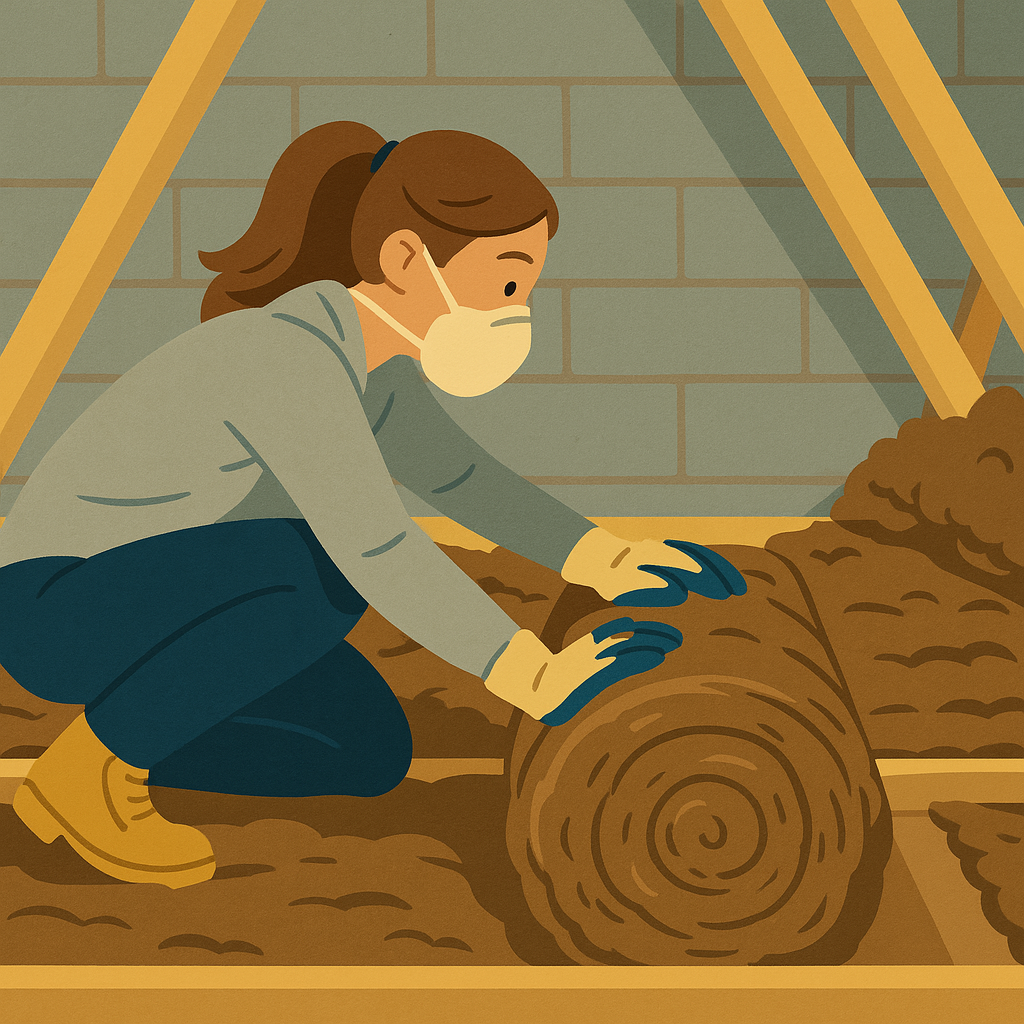
You can buy rolls of mineral wool insulation from most DIY stores. The process typically involves:
- Laying the first layer between the joists (usually 100mm thick).
- Adding a second layer across the joists (typically 170mm thick) to reach the recommended total of 270mm.
- Avoiding compression – squashed insulation doesn’t trap heat effectively.
- Leaving ventilation gaps at the eaves to prevent condensation.
Top tip: If you’re using your loft for storage, raise the floor using loft legs or battens before boarding over the insulation. Never press boards directly onto insulation!
When Should I Call a Professional?
Some situations need a trained installer:
- Flat roofs: These must be insulated from above and require careful installation to avoid condensation risks.
- Loft conversions or ‘room in roof’ spaces: Insulation needs to be added between sloping rafters, gable walls, and around dormer windows. This work must meet Building Regulations and includes ventilation checks.
- Signs of damp or mould: Insulating without addressing damp first can make problems worse.
- Hard-to-access lofts: Blown-fibre insulation can be installed using specialist equipment to reach tight spaces.
What Types of Insulation Are Available?
Here are the main types:
| Type | Where it’s used | DIY friendly? | Notes |
| Mineral wool rolls | Loft floor (cold loft) | ✅ Yes | Most common; affordable and effective |
| Rigid foam boards | Roof slopes (warm lofts) | ❌ No | Cut and fitted by professionals |
| Blown fibre | Inaccessible lofts | ❌ No | Requires specialist equipment |
| Spray foam | Rafters or underside of roof | ❌ No | Often not recommended due to ventilation and mortgage issues |
⚠️ Spray foam caution: Many mortgage providers will not lend on properties with spray foam insulation unless it has been formally assessed. It’s often marketed as a ‘quick fix’, but it can mask roof problems and trap moisture. Always get independent advice first.
Do I Need to Insulate Pipes, Tanks, and the Loft Hatch?
Yes! Once your loft is insulated, the space above becomes much colder, which puts pipes and water tanks at risk of freezing. You should:
- Use insulating jackets for cold water tanks (BS 6700 compliant).
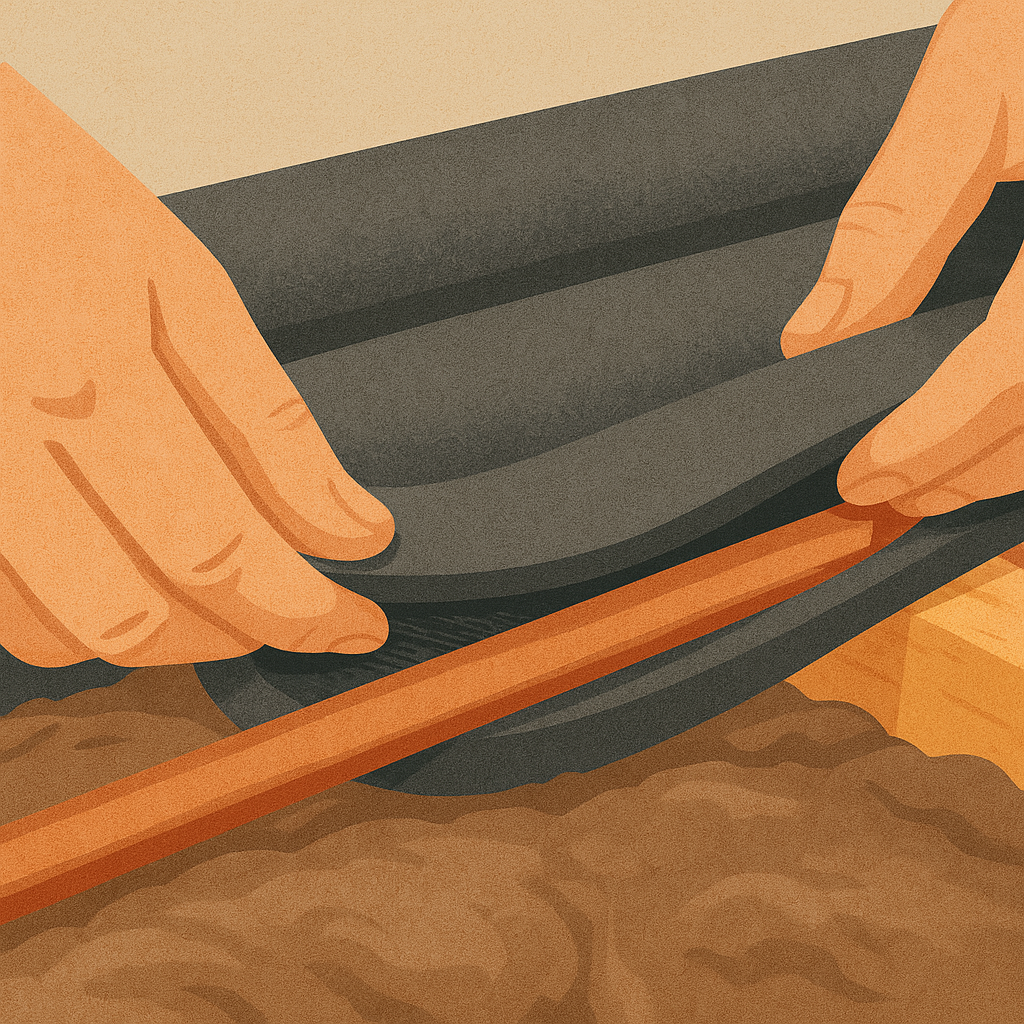
- Wrap foam lagging around exposed pipes.
- Fit an insulated loft hatch and add draught-proofing strips.
Can I Get Help with the Cost?
Yes! If you live in Lancashire, you may be eligible for free or subsidised loft insulation under the Great British Insulation Scheme (GBIS) or ECO4 Scheme.
These government-backed schemes help households with low incomes, health conditions, or poor EPC ratings. You could even be eligible based on your council tax band.
How to Apply in Lancashire:
- Contact Greener Homes in Lancashire to help assess your eligibility on 0800 058 4066
- Or visit: Great British Insulation Scheme – GOV.UK
- Local councils may also offer support via the Cosy Homes Local Authority Grant
Why Loft Insulation Matters
✔ Save up to £180 per year on your heating bills
✔ Keep your home warmer, cosier, and more comfortable
✔ Cut carbon emissions and support a greener Lancashire
✔ Extend the life of your heating system
Ready to Get Started?
If you’re not sure where to begin, we’re here to help.
Greener Homes in Lancashire offers friendly, impartial advice on insulation, energy-saving improvements, and available funding options.
Get in touch with our team today
Your loft could be the key to a warmer, cheaper-to-heat home this winter.